The Assessment Process

Who's behind the work, how I work, and what an in-home aging-in-place assessment covers.

Schedule an In-Home Assessment
← Aging in Place Overview

About Me

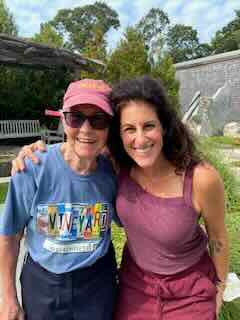
Dana with Mary

This work is personal to me. My mother-in-law lived with dementia, and my father's wife lived with Parkinson's — and I was the one who assessed their homes and made the modifications that let them stay safe and independent for as long as possible. I saw firsthand how the right changes, made early and thoughtfully, can preserve someone's dignity and peace of mind — and give their family the same. That experience is what led me to become a Certified Aging-in-Place Specialist, and it's what I bring to every home I work with.

Before I picked up an inspection flashlight, I spent nearly 8 years as a hands-on contractor — as a HandyWoman and owner of Tools of Her Trade, I hung drywall, built steps and ramps, and installed grab bars and railings myself. That construction background means I don't just identify what a home needs; I know how it actually gets built and installed, and what it takes to do it well.

How I Work

1

In-Home Assessment

I go beyond a standard walkthrough to assess how well your home truly supports your day-to-day life — evaluating accessibility barriers and fall risks room by room, and factoring in mobility, balance, and sensory needs specific to you.

2

Tailored Recommendations

You'll get a prioritized, easy-to-understand set of recommendations — from grab bars and lighting to layout changes — so you can make informed decisions at your own pace.

3

Hands-On Implementation

I don't just hand you a list. I'm hands-on with installing modifications and assistive devices myself, so every detail is done with precision and care.

4

A Collaborative Process

You're part of every decision. I involve you every step of the way, and approach the work with empathy — because this isn't just a house, it's your home.

What a Home Assessment Covers

A thorough assessment looks at the whole picture — not just grab bars. Every recommendation is built around both the house as it is, and the person as they are, so the plan fits real life, not a generic checklist.

🏠 The Home Itself

  • Entries and thresholds — width, steps, door swing, hardware
  • Stairs, flooring, and interior/exterior traffic paths
  • Lighting, electrical controls, and path lighting outdoors
  • Room-by-room layout, including whether a caregiver bedroom and bath may be needed
  • Safety systems: locks, security, smoke and carbon monoxide detectors, emergency egress
  • General condition of construction, surfaces, and finishes

👤 The Individual

  • Mobility and use of aids such as a cane, walker, or wheelchair
  • Coordination and balance, including fine motor tasks and larger movements like reaching or walking
  • Sensory considerations — vision, hearing, touch, and sense of smell — and how they affect safety at home

Want a home-safety checklist and other helpful downloads?

Browse Resources Schedule an In-Home Assessment